A Two-Day Road Trip to Takayama and Shirakawa-go
Driving through Gifu Prefecture: Takayama City and the historic village of Shirakawa-go.
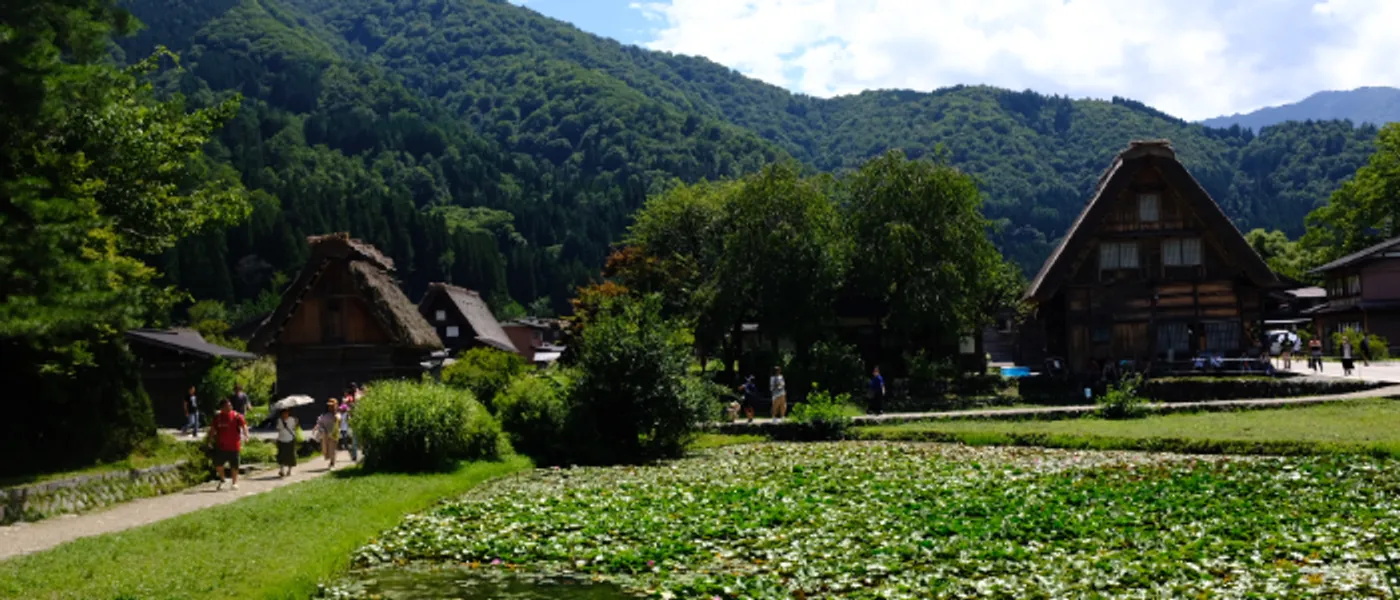
During Japan’s summer holidays (mid-August 2023), I took a few days off. For the last three days, I drove my little K-car1 from Tokyo all the way to Takayama and Shirakawa-go in Gifu Prefecture. Here’s a quick log of the trip.
Setting Off
We left our home in Tokyo on Friday morning. Before heading out, we noticed heavy traffic on the expressway, so we decided to take local roads under the highway. Bad move—the local roads were jam-packed too. It was stop-and-go until we finally reached Kawaguchi in Saitama, where we managed to hop on the expressway.
Driving Time
Yahoo! Navigation said it would take about 4 hours. In reality, we left at 11:25 AM and didn’t arrive at our hotel near Takayama Station until 7:00 PM. We did take a break at a service area for lunch, though.
** The Drive**
- The speed limit on most sections is 100 km/h, but almost everyone drives faster than that. Safety first, so I tried to stick to the middle or left lanes. Sometimes I’d be doing 110 km/h, and a car next to me would still whoosh past like I was standing still.
- The second half of the journey had a lot of tunnels. It’s easy to accidentally speed in the dark environment. Thankfully, my car has a
Lane Keep Assistfeature. Without it, the narrow field of view makes it hard to stay perfectly centered. - On the local roads with tunnels, there were some sharp curves. It can be really scary when a large truck comes from the opposite direction. I saw many trucks crossing over the line quite a bit. But only once did an oncoming driver honk to warn us ahead of time.
- There was construction at several points on the local roads, reducing traffic to a single alternating lane. If you’re in the middle of the line, you just follow the car in front. If you’re the first car, you have to watch the temporary electronic signal and go when allowed. And if you happen to be the last car in the queue? Apparently, you’re supposed to turn on your hazard lights2.
Takayama City
After driving all day, we arrived at the Tokyu Stay hotel near Takayama Station just after 7 PM. It was my first time in this area. My initial impressions:
- It was only 7 PM, but there weren’t many places open for dinner. We went to a convenience store near the station and found it packed with tourists, all picking out their dinners just like us.
- There were a lot of foreign tourists, especially from Western countries. (I also saw quite a few from Taiwan and Hong Kong).
- We stayed at the Tokyu Stay Hida Takayama Musubi no Yu, right next to the station. It felt a bit upscale and the design was nice. But the onsen (hot spring) was surprisingly small! I guess I shouldn’t expect a massive onsen at a station-front hotel. 😂 Also, the breakfast wasn’t as lavish as I had imagined. 😭
Here are some photos I took around Takayama Station the next morning.
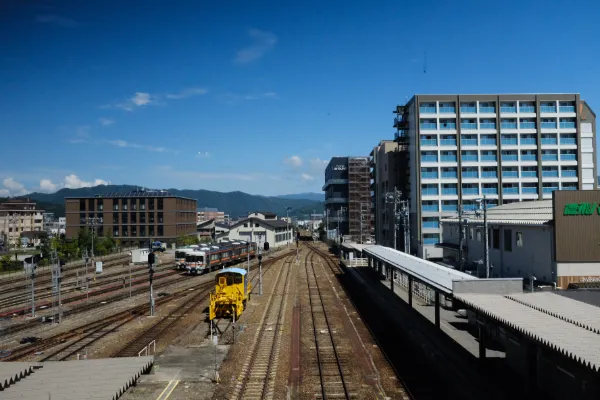
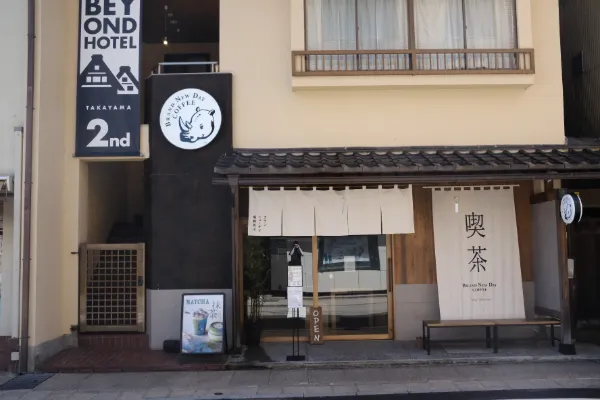

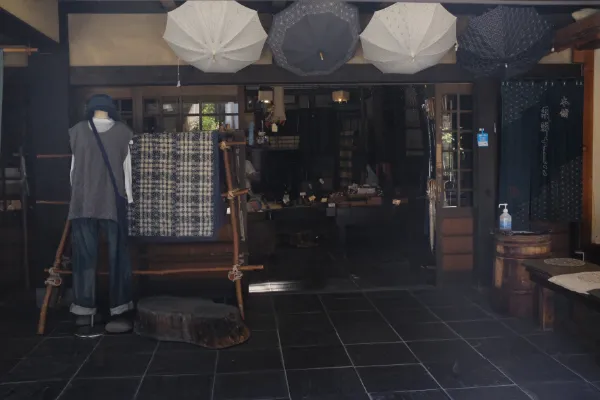

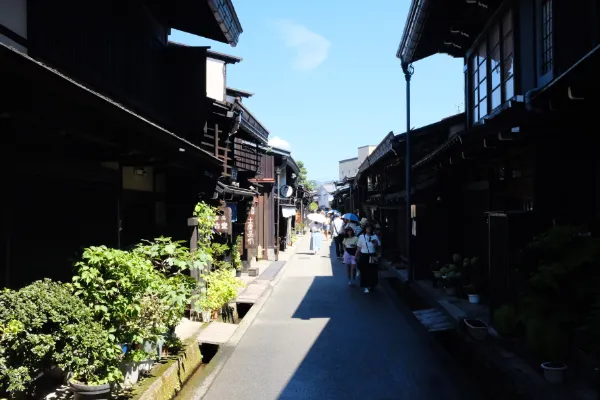
- The station itself is quite interesting, with many displays showcasing local culture and customs.
- The surrounding streets have that old-fashioned architectural style (Little Edo?). Perhaps this distinct Japanese atmosphere is what attracts so many international visitors.
- There are lots of interesting little shops, perfect for a relaxing stroll. But it was about 34°C that day—I really didn’t want to stay outside for long! I think spring or autumn would be much better seasons to visit.
Shirakawa-go
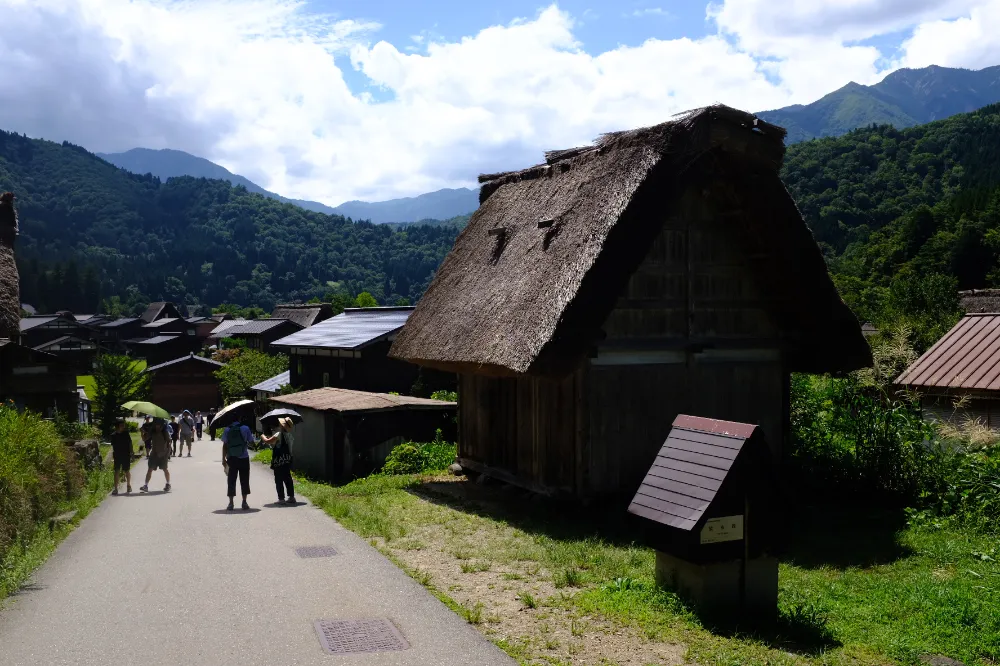
After a casual wander around Takayama Station the next morning, we drove straight to the World Heritage site—Shirakawa-go.
The official Shirakawa-go website has detailed information, so check it out if you’re interested: https://shirakawa-go.gr.jp/en/
Here’s a brief intro from their site:
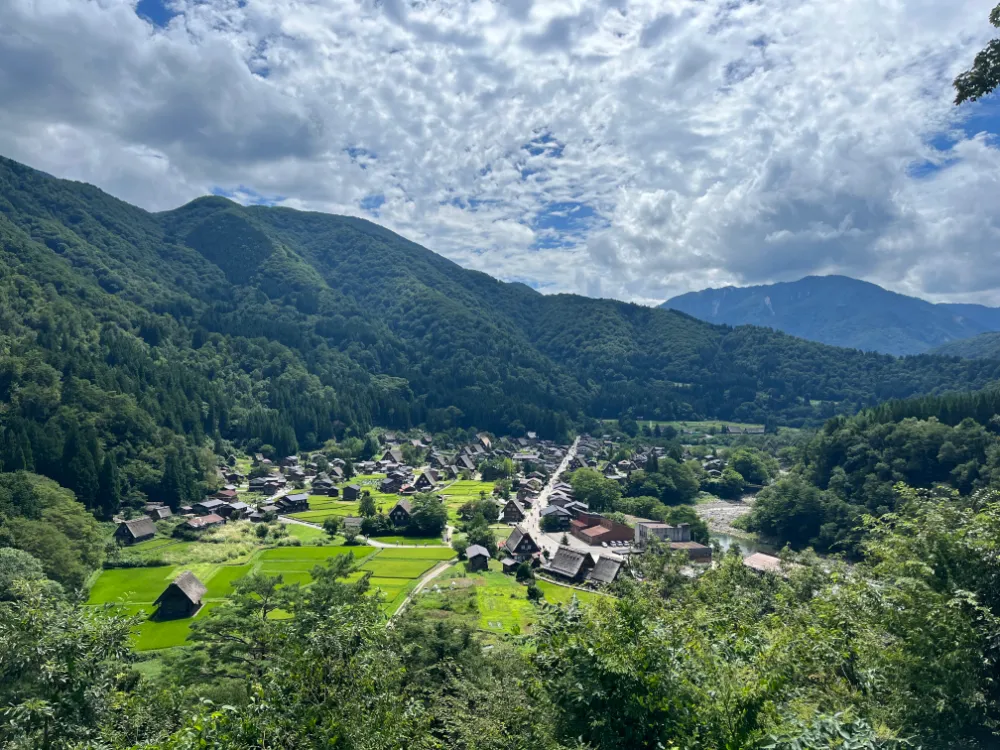
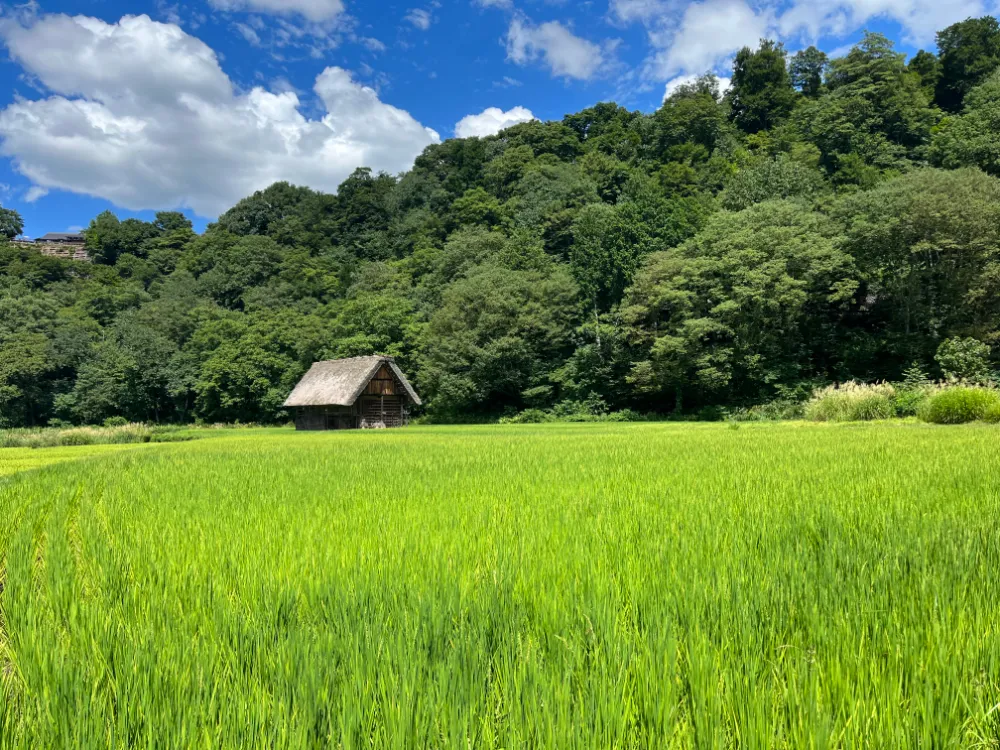
The Ogimachi area of Shirakawa Village in Ono District, Gifu Prefecture, is world-famous for preserving over 100 traditional Gassho-style farmhouses of varying sizes. Even today, it remains a living village where residents continue their daily lives. Although it was designated as a UNESCO World Heritage Site in 1995, it is said that UNESCO evaluated not just the buildings and landscape, but also the rooted tradition of mutual support among the residents. In Shirakawa-go, often called the “hometown of Japan,” you can experience traditional Japanese history, rural culture, and glimpse the lives of the local people.
Since it was scorching hot, we didn’t stay too long. But here are a few thoughts:
- There’s an observation deck on the mountain where you can see the entire village. There’s free parking up there too. However, the entrance is a sharp turn without very clear signage, so it’s easy to miss. I recommend checking Google Maps Street View beforehand.
- Although it’s green everywhere, the heat made it hard to relax. I imagined it would be cool and breezy like Karuizawa3, but nope. If you go in summer, definitely bring a parasol.
- Lunch options are scarce, and there aren’t any convenience stores. The few restaurants there had long lines, the food wasn’t particularly amazing, and the prices were a bit steep. I suggest eating before you go or bringing a packed lunch.
- You can enter some of the traditional Gassho-style houses. Check the official website for locations. Since I’ve visited similar buildings before, I skipped going inside this time.
- I feel like this place might be more beautiful in winter. The iconic view of snow-covered Gassho roofs in a white world is probably the true charm of this region. I should definitely come back in winter next time.
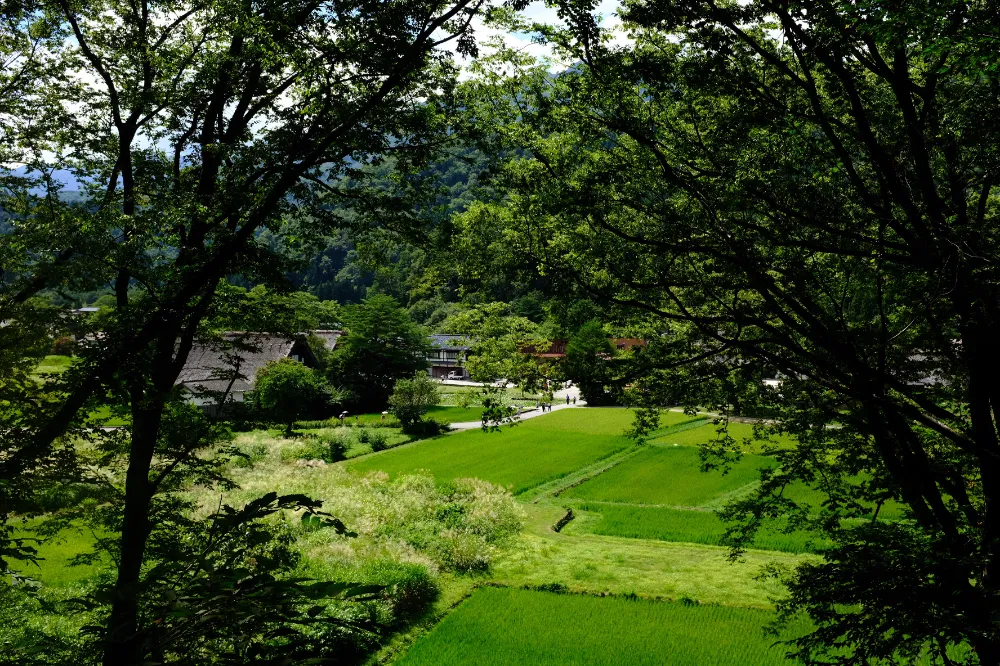
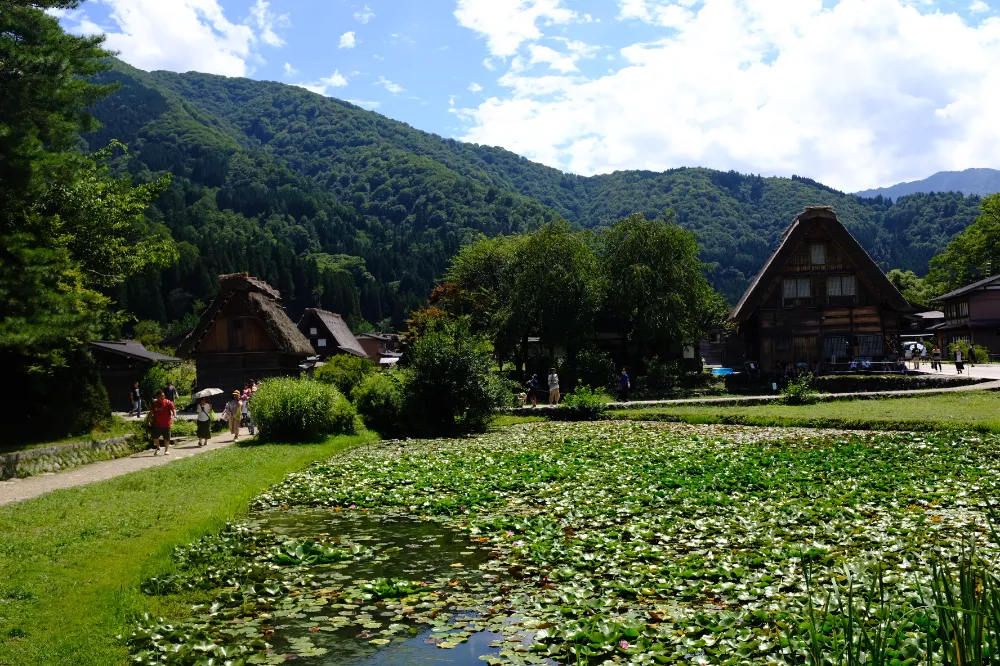
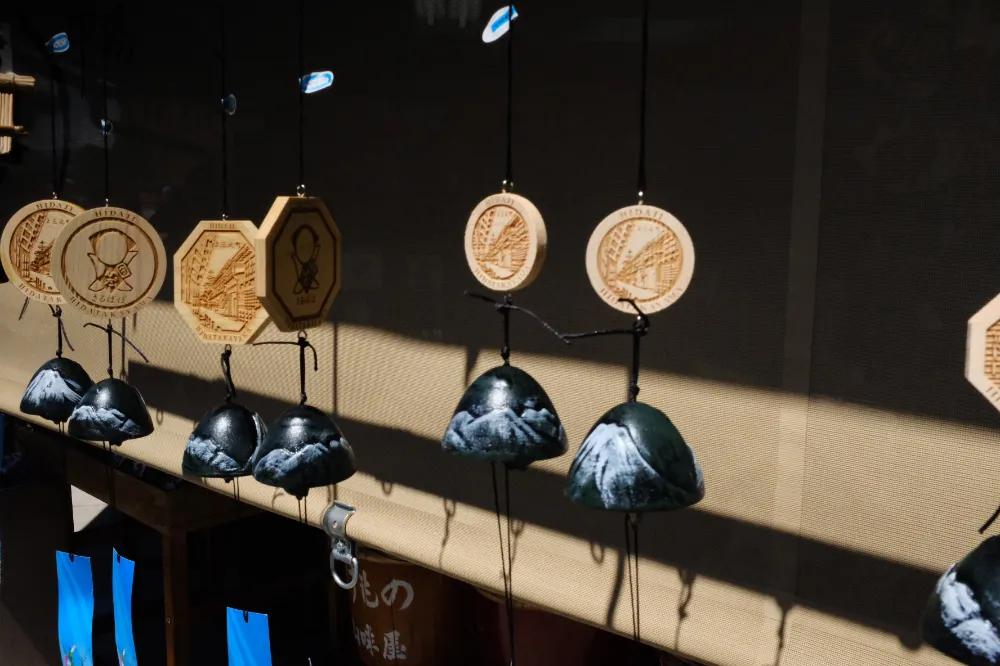
Heading Home
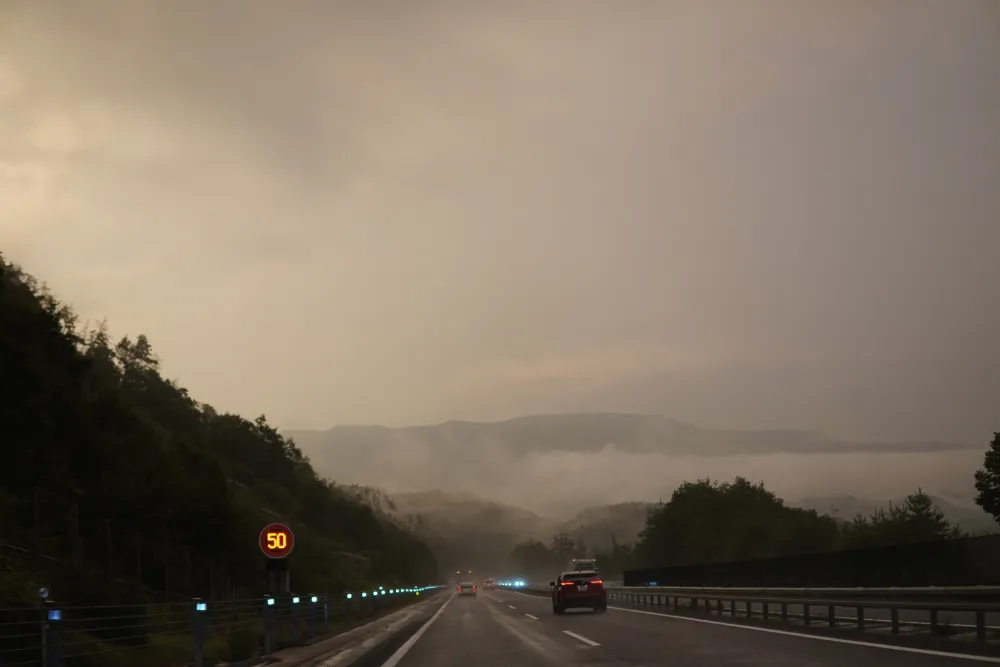
We started driving back to Tokyo around 3 PM. Traffic was jammed before we even got on the expressway. Once we finally hit the highway, a torrential downpour started. Worried about visibility, we waited it out at a service area for a while. Even after the rain stopped, the speed limit was reduced to 50 km/h. In the distance, there was a golden mist rising from the wet roads—a unique view that felt like a little gift from nature.
We finally got home just before 11 PM, drawing a close to our whirlwind two-day trip.
Footnotes
-
A nickname for Japanese “Kei cars” (light automobiles). My little K is a Honda N-One. ↩
-
I’ve encountered alternating one-way traffic in other regions before, but this was the first time I saw the rule where the last car has to flash its hazards. ↩
-
A famous summer resort area near the border of Gunma and Nagano prefectures. ↩